
 What Is a Clove of Garlic? Plus, How Many Teaspoons Equal One Clove So, your recipe calls for “three cloves of garlic” — but you’re staring at a whole bulb wondering what that actually means? You’re not alone. The difference between garlic clove and head confuses home cooks every single day. If you need more interested info like that visit quick guider.
Here’s the thing: what is a clove of garlic is one of the most common questions in the kitchen. And once you understand the basics, cooking with garlic becomes so much easier. Let’s clear up the confusion once and for all.
What Is a Clove of Garlic? (The Basics)
First things first: A clove of garlic is not the same thing as a garlic head. This mix-up happens all the time, and it can throw off your entire recipe.
Let’s break it down in simple terms so you’ll never get confused again.
Garlic Clove vs. Garlic Head — What’s the Difference?
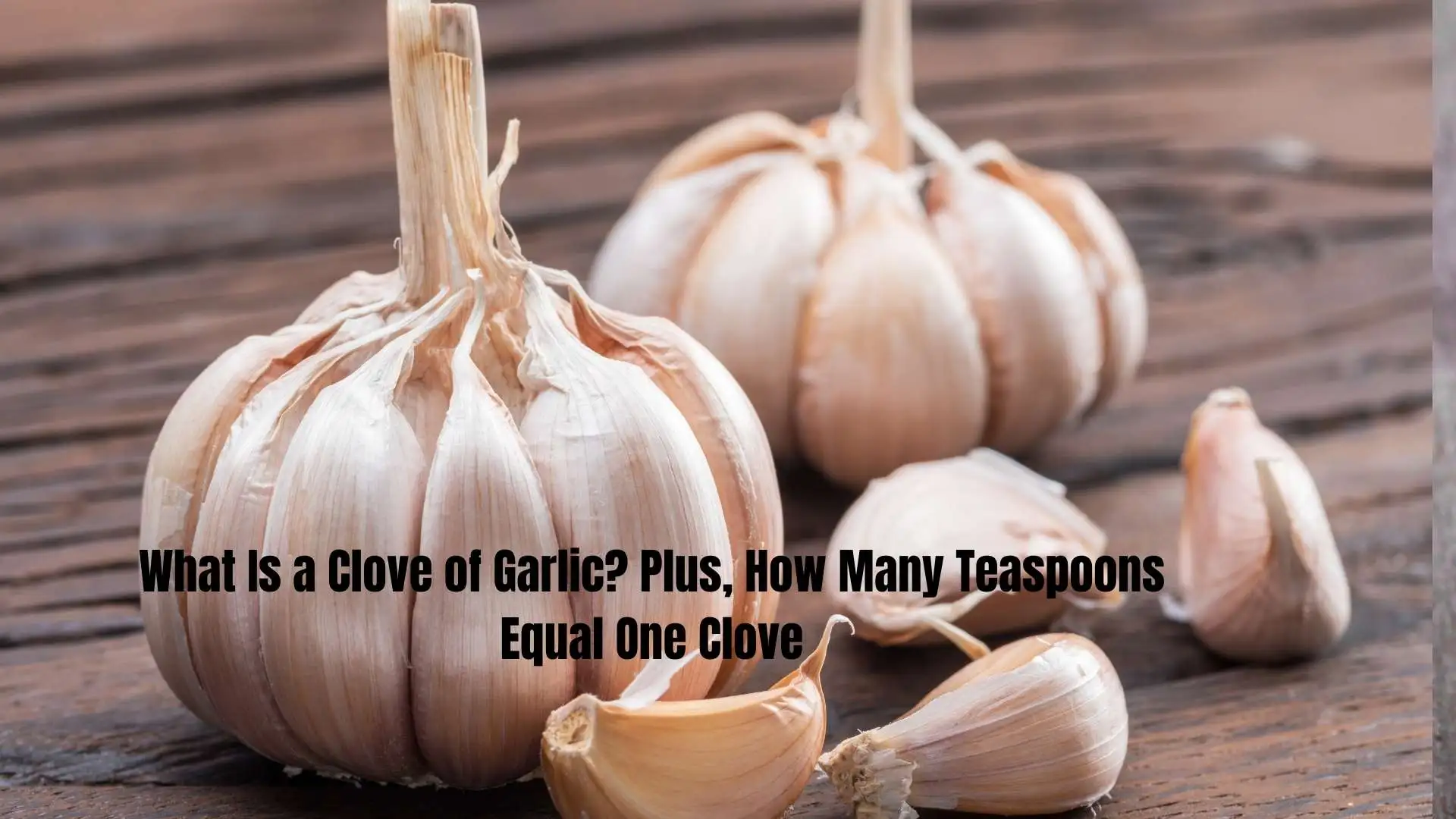
A garlic head (also called a garlic bulb or garlic knob) is the entire round bulb you buy at the grocery store. It’s covered in papery white or purple skin. When you look at it, it’s one complete piece.
But here’s where it gets interesting. When you peel back that papery skin, you’ll find something inside. The head breaks apart into several individual segments. These wedge-shaped cloves are what we call garlic cloves.
Each clove of garlic is easy to separate from the others. You can pull off just what you need and leave the rest of the garlic bulb intact for later. The cloves stay fresh inside the head until you’re ready to use them.
“A garlic clove is an individual segment inside the garlic head. The head is the whole bulb, while cloves are the pieces inside.”
Think of it like an orange. The whole orange is like the garlic head. The individual orange slices inside are like the garlic cloves.
Why Garlic Cloves Pack Such a Punch
Garlic is technically a garlic vegetable, but we don’t eat it like we eat carrots or broccoli. Instead, we use it as a garlic seasoning to add flavor to our dishes.
Why? Because garlic cloves pack an incredibly potent punch. Even a single clove of garlic can add serious garlic flavor to an entire pot of soup or pasta sauce. If you want to read These Are the Fastest Animals on Earth: Nature’s Ultimate Speed Champions about visit this page.
This is why recipe instructions call for cloves, not cups. A little bit goes a long way. That strong garlic flavor comes from natural compounds that get released when you cut, crush, or cook the clove.
Fresh garlic delivers the most powerful taste. That’s why so many cooks prefer it over dried or powdered versions.
How Much Is a Clove of Garlic?
Now here’s where things get a little tricky. Not all garlic cloves are created equal.
Garlic Clove Size Variations
When you peel a garlic head, you’ll notice some cloves are bigger than others. Some large garlic cloves might be twice the size of small garlic cloves in the same bulb.
This creates a real challenge. What do you do when your recipe calls for three cloves, but you have a jar of pre-minced garlic instead? Or what if your garlic bulb has unusually large or small cloves?
Don’t panic. There’s a simple solution.
Converting Garlic Cloves to Teaspoons
Here’s the general rule of thumb for garlic clove to teaspoon conversion: Use 1 teaspoon minced garlic for every clove of garlic your recipe calls for.
So if your recipe needs three cloves, use three teaspoons of the jarred minced garlic. Simple as that.
This garlic measurement guide works for most situations. One clove of garlic, when minced, equals about 1 teaspoon minced garlic.
But what about those size differences? Here’s the truth: one clove of garlic more or less won’t make a huge difference in most dishes. Use your best cooking judgment and adjust based on your personal taste preference.
Love garlic? Use a little more. Not a huge fan? Scale it back. Cooking with garlic is forgiving.
Garlic Measurement Quick Reference
Here’s a handy garlic measurement chart to keep in your back pocket:
1 clove of garlic = 1 teaspoon minced garlic
1 clove of garlic = ½ teaspoon garlic flakes
1 clove of garlic = ⅛ teaspoon garlic powder
1 medium garlic head = 10-12 cloves
These conversions help when you’re cooking recipes that call for different forms of garlic. Keep this garlic quantity in recipes guide handy, and you’ll never be stuck guessing.
How Many Cloves Are in a Head of Garlic?
So how many cloves in a head of garlic should you expect? The honest answer: it depends.
It Depends on the Garlic Bulb
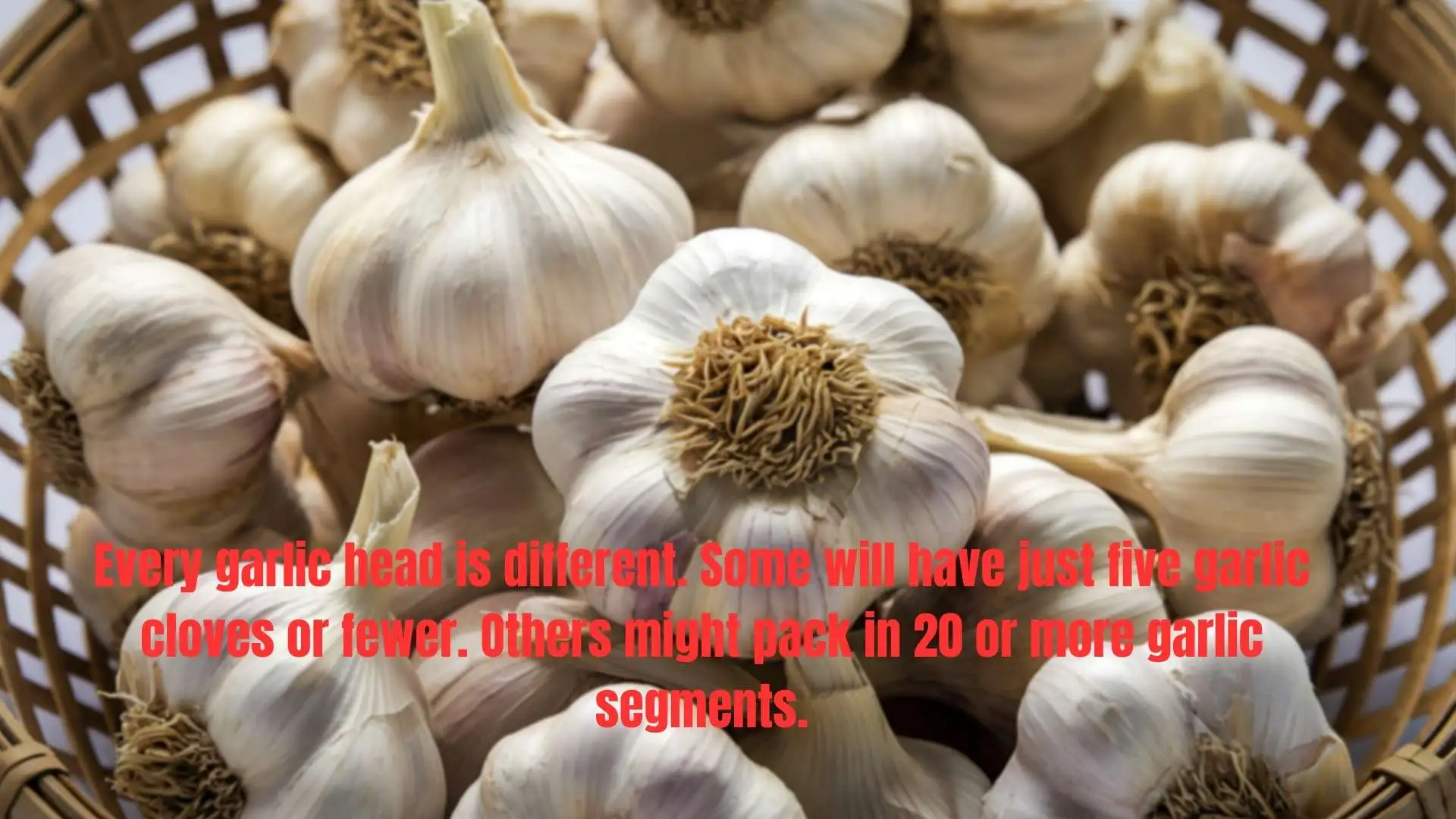
Every garlic head is different. Some will have just five garlic cloves or fewer. Others might pack in 20 or more garlic segments. If you need info related A Full List of Grocery Stores Open on Christmas Day 2025 visit this page.
Most grocery store garlic you’ll find contains about 10-12 cloves. This is pretty standard for the common varieties sold in the United States.
The number of garlic cloves depends on several factors. The variety of garlic matters. How it was grown makes a difference. Even the size of the bulb affects how many cloves it contains.
Larger garlic bulbs don’t always mean more cloves, by the way. Sometimes they just have bigger individual garlic cloves inside.
Can You Substitute Pre-Minced Garlic for Fresh Garlic Cloves?
Let’s talk about shortcuts. Life gets busy, and sometimes you need quick solutions in the kitchen.
Fresh Cloves vs. Jarred Minced Garlic
Yes, you can absolutely substitute pre-minced garlic for fresh garlic. The conversion is easy: 1 clove of garlic equals 1 teaspoon of jarred minced garlic.
Jarred pre-minced garlic saves tons of time. You don’t need to peel, chop, or deal with garlic smell on your hands. Just scoop and go.
But there are trade-offs. Fresh garlic has a brighter, more vibrant flavor. Pre-minced garlic from a jar tastes slightly different — still good, just not quite as fresh and sharp.
When does jarred work best? Soups, stews, marinades, and sauces where garlic gets cooked down. The flavor difference is barely noticeable in these garlic dishes.
When should you use fresh garlic? Raw applications like salad dressings, garlic bread, or dishes where garlic is the star ingredient. Fresh garlic really shines when it’s front and center.
What About Garlic Powder?
Garlic powder is a different story. It’s best not to substitute garlic powder for fresh garlic if you can avoid it.
Garlic powder has a more concentrated flavor that tastes different from fresh garlic. It’s earthier and less bright. Sometimes that’s perfect — like in dry rubs or garlic seasoning blends.
But in a pinch, you can make it work. Use ¼ teaspoon garlic powder for every 1 clove of garlic the recipe calls for.
Just know that your dish will taste slightly different. Garlic powder won’t give you that fresh garlic flavor punch.
“Garlic powder works best in dry rubs and seasoning blends. For fresh flavor, stick with real cloves.”
Other Garlic Substitution Options
Need more garlic substitution ideas? Here are some alternatives:
Garlic paste: 1 clove of garlic equals about ½ teaspoon of paste. It’s super concentrated and smooth.
Garlic flakes (dried garlic): Use ½ teaspoon for every 1 clove. These rehydrate when cooked.
Garlic salt: Works for garlic seasoning, but remember to reduce the salt in your recipe.
Shallots or onions: In a real emergency, these can add similar aromatic flavor. They won’t taste like garlic, but they’ll add depth.
The best garlic seasoning substitute depends on what you’re making. For most food preparation, though, nothing beats the real thing.
How to Prepare a Garlic Clove
Knowing what is a clove of garlic is one thing. Actually prepping it is another. Let’s walk through the basics.
Peeling a Clove of Garlic
Getting that papery skin off can be annoying. Here are the easiest methods:
Crush-and-peel method: Place the clove of garlic on your cutting board. Put the flat side of your knife on top. Press down firmly with your palm. The skin pops right off.
Shake-in-jar method: Drop your garlic cloves in a jar with a lid. Shake hard for 15-20 seconds. The skins come off like magic.
Knife-smash technique: Similar to crushing, but you give it a good whack. This partially smashes the clove, which actually releases more flavor.
Store-bought pre-peeled option: You can buy peeled garlic cloves in containers. Super convenient, though they don’t stay fresh as long.
Mincing, Slicing, and Crushing Garlic Cloves
How much is a clove of garlic worth in terms of prep work? Different cuts give different results.
Minced garlic: Chopped into tiny pieces. This is what most recipes mean when they say “minced garlic.” It distributes garlic flavor evenly throughout your dish.
Sliced garlic: Cut into thin slices. Perfect for dishes where you want visible garlic pieces, like in stir-fries or on pizza.
Crushed or smashed garlic: Broken apart but not finely chopped. This releases maximum flavor. Great for marinades or when you want intense garlic flavor.
Whole cloves: Sometimes recipes call for cooking garlic cloves whole. This gives subtle garlic seasoning without overpowering the dish.
Storing Garlic Cloves Properly
Proper storage keeps your garlic fresh and flavorful. Here’s what you need to know.
How to Store Whole Garlic Heads
Keep whole garlic heads in a cool, dry, dark place. A pantry or cupboard works perfectly.
Don’t refrigerate whole garlic bulbs. The cold and moisture make them sprout or get moldy faster.
Stored properly, a garlic head lasts 3-6 months. That’s a long shelf life for fresh garlic.
Make sure there’s some air circulation. Don’t seal garlic in plastic bags — it needs to breathe.
Storing Individual Garlic Cloves
Once you break apart the garlic head, things change.
Peeled garlic cloves should go in the refrigerator. Put them in a sealed container. They’ll last about one week.
Some people store peeled garlic cloves submerged in oil. Warning: This can cause botulism if not done properly. If you do this, keep it refrigerated and use it within a week.
Can you freeze garlic cloves? Absolutely. Peel them first, then freeze in a single layer. Once frozen, transfer to a freezer bag. They’ll keep for several months.
Frozen garlic works great for cooking recipes where texture doesn’t matter much.
Common Garlic Clove Questions Answered
Let’s tackle the questions people ask most about garlic cloves.
Is a Clove of Garlic the Same as a Bulb?
No. A clove of garlic is one segment inside the bulb. The garlic bulb (also called the garlic head) is the entire thing.
This is the most common confusion about garlic clove vs bulb. Remember: the bulb contains multiple cloves.
If a recipe says “1 bulb of garlic,” that’s asking for the whole garlic head — which could be 10-12 individual garlic cloves. That’s a lot of garlic!
How Many Cloves of Garlic Should I Eat Per Day?
From a health perspective, eating 1-2 garlic cloves per day is generally considered beneficial. Garlic contains compounds that may support heart health and immunity.
But this isn’t cooking advice — it’s health information. If you have medical conditions or take medications, talk to your doctor first. Garlic can interact with some medications.
For cooking with garlic, use as much as tastes good to you. There’s no daily limit when it comes to flavoring ingredients in your meals.
Can You Eat a Whole Clove of Garlic Raw?
Yes, you can eat a clove of garlic raw — but wow, it’s intense. Raw garlic has a much stronger, sharper bite than cooked garlic.
Some people eat raw garlic cloves for health benefits. If you’re going to try this, start small. Raw garlic flavor is powerful stuff.
Kitchen tips for eating raw garlic: Chop it finely and mix it into food rather than eating it whole. Or crush it and let it sit for 10 minutes before eating — this activates beneficial compounds.
What Happens If I Use Too Many Garlic Cloves?
Adding too many garlic cloves can make your dish taste overpowering and sharp. But it’s rarely a complete disaster.
If you accidentally use too much garlic, here’s how to balance it:
Add dairy (cream, butter, cheese) to mellow the garlic flavor. Increase other ingredients to dilute the garlic concentration. Add a little sweetness (sugar, honey) to balance the sharpness. Add acid (lemon juice, vinegar) to brighten the overall taste.
The good news? Cooking with garlic is pretty forgiving. Most people would rather have too much garlic than too little.
Delicious Recipes Using Garlic Cloves
Now that you’re a garlic expert, it’s time to put that knowledge to work. Here are some amazing garlic recipes to try.
Classic Garlic Dishes to Try
Garlic Butter: One of the simplest garlic dishes. Mix softened butter with minced garlic, salt, and herbs. Perfect on bread, vegetables, or steak.
Roasted Garlic Cloves: Roast whole garlic heads until soft and sweet. The garlic flavor becomes mild and almost nutty. Spread it on bread like butter.
Garlic Chicken: Garlic chicken is a weeknight favorite. Pan-seared chicken with plenty of fresh garlic makes for easy, flavorful cooking recipes.
Chicken with 40 Cloves of Garlic: Yes, really. This classic French dish uses tons of garlic cloves, but they roast until sweet and mild. It’s incredible.
Creamy Garlic Pasta: Simple pasta tossed with garlic, cream, and Parmesan. The garlic shines through without being overwhelming.
Garlic Bread: The ultimate side dish. Butter, garlic cloves, and crusty bread — what’s not to love?
Garlic Baked Potato: Loaded baked potatoes get even better with garlic butter or roasted garlic cloves mixed into the filling.
These garlic recipes show the incredible range of this garlic vegetable. From mild to bold, there’s a garlic dish for everyone.
Hungry for more? Explore complete collections of cooking recipes featuring garlic as the star ingredient.
You’re Now a Garlic Clove Expert!
Let’s recap what we’ve covered about what is a clove of garlic:
A clove of garlic is an individual segment inside the garlic head or garlic bulb. One clove of garlic equals about 1 teaspoon minced garlic. Most garlic heads contain 10-12 garlic cloves.
The difference between garlic clove and head is simple once you see it: the head is the whole bulb, the clove is one piece inside.
For garlic clove measurement, remember the basic conversion: 1 clove = 1 teaspoon minced garlic. This garlic measurement guide works for most recipe instructions.
You can substitute pre-minced garlic for fresh garlic using the same measurement. Garlic powder works in emergencies at ¼ teaspoon garlic powder per clove.
Now you understand garlic clove size variations, garlic substitution options, and how to use garlic seasoning in your food preparation.
The best part about cooking with garlic? It’s incredibly forgiving. Trust your taste. Adjust based on your personal taste preference. And remember — you can always add more garlic, but you can’t take it away.
So grab some grocery store garlic, pull off a few garlic cloves, and start cooking with confidence. Your garlic dishes are about to get a whole lot better.