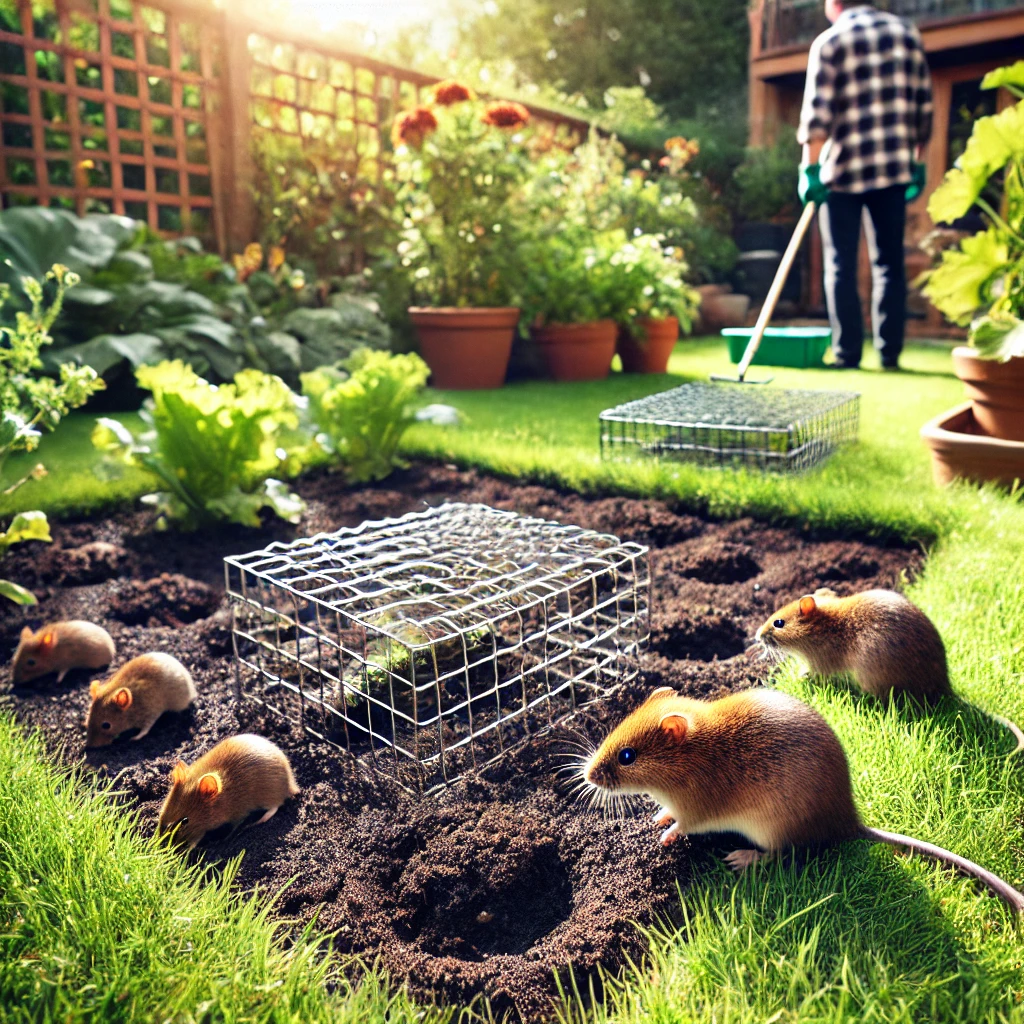
Although voles and moles are tiny burrowing mammals that may cause lawn damage, they also differ in many other characteristics such as looks, behavior, and diet. Rodents Voles are stocky, short-tailed rodents that have small eyes and build surface-level runway systems and feed on stems, roots, and bark of plants.
Moles are, however, insectivores with sharp snouts, large digging paws with almost inseen eyes and ears and their primary food is earthworms and insect larvae. The difference is that unlike the voles, the moles create volcano-shaped heaps of soil on the surface, with the underground burrows, and thus it is necessary to precisely identify the pest of real origin and subsequently action.
How Voles Damage Lawns and Gardens
Voles are small rodent animals capable of disturbing lawns and gardens greatly by burrowing, ruining the lawns and eating the vegetation. They dig a track of tunnels and runways that destroy lawns and leave broken patches of dead grass. Voles eat shrubs, tree barks, flower bulbs, and garden plants and may chew at the base of trees, causing extensive damage or even plant death. The vulpes infestation is characterized by visible runways, bald patches on lawns, and gnawing marks on plants besides the risks playing out to pets since they may be the carriers of diseases.
How To Get Rid of Voles
The first aspect of mitigation against the infestation of a vole is to eliminate their favorite habitat by trimming down excessive vegetations, mowing the lawn frequently, and eliminating debris such as mulch and dead grass. Wrap the lower trunks of young trees in wire mesh so as to protect them and then reveal the vole runways to make them feel unsafe.
Other control measures consist of trapping using snap or live traps, repellence through the use of such things as castor oil or even predator urine and the planting of such things as garlic and cat mint as deterrents. Putting a wire mesh fencing around the garden beds can also be used to prevent voles entry into the garden beds; damage of plants begins to occur.
How to Get Rid of Voles in Your Yard – Expert Advice
A lovely lawn can easily be spoilt by the presence of a voles system that could see your lawn covered by dug tunnels and heaps; though a voles system can be eliminated and control can be put in place to ensure that it is not replicated. Baited snap trap and bait trap, repellent such as castor oil or garlic, clearing the long grass and vegetation are some of the effective control methods.
Leaving the yard unattended (unmowed, untrimmed, leaves littered on the ground, etc.) makes it more conducive to voles. Barriers, such as wire mesh, and irrigation around easily accessible areas and to promote adequate drainage in the soil can additionally prevent an infestation in your yard.
How do I know if I have a problem?
Moles leave temporary feeding surface tunnels which resemble ridges only to be utilized in taking food and deeper tunnels become the living places that are usually in the form of molehills. A vole attack can be diagnosed by girdled tree barks, runways on the surface through matted grass, small piles of feces and short pieces of grass. Other behaviors that are indications of an individual problem are the presence of negative emotions, inability to cope with everyday life, taking risks, isolating oneself, physical complaints, and other people observing the issue. When these problems are distressing, or interrupt duties and activities, it is worth help.
Conclusion
Management and prevention of voles and moles is key in the maintenance of healthy lawns and gardens as these two pests are capable of causing havoc. Although voles are rodents that live on vegetable matter and make above-ground runways, their counterparts, moles, dwell on insects and burrow underground, resulting in soil piles.
Some efficient controlling techniques are habitat alteration, use of traps, repellent, as well as physical shield to outsmart these insects. Correct diagnosis and treatment can allow gardeners to save the landscape and avoid further infestations. To find out more about How big is a French curve head onto this page. If you need info related How big is a French curve
FAQS
What is the fastest way to get rid of voles?
The fastest way to get rid of voles is by using traps, such as snap traps or live traps, placed near their runways. Removing their food sources and shelter, like tall grass and debris, also helps keep them away.
What scent will keep voles away?
Voles dislike strong smells like garlic, peppermint, and castor oil. Sprinkling these scents around your yard or garden can help keep them away.
What is the natural enemy of voles?
Voles have many natural enemies, including owls, hawks, foxes, snakes, and cats. Having these predators around can help control vole populations naturally.
What is a good repellent for voles?
A good repellent for voles is castor oil, which makes the soil unpleasant for them. Other options include predator urine, garlic spray, or commercial vole repellents.