Compared to other options, tooth fillings are relatively cheap in the Philippines, and yet the question is whether they are worth it. The following article will address this question in addition to introducing the reasons why tooth fillings remain a possible alternative to make dental repairs. In the Philippines tooth fillings, one of the most important dental processes that fix worn-out and damaged teeth is commonly termed as tooth pasta. Unlike the toothpaste that is packed in a tube, the tooth pasta is important in oral hygiene.
This guide not only gave basic information but also has assisted the readers to navigate through dental health by busting myths and learning the long-term cost-effectiveness of tooth fillings. It underlines the significance of prompt correction of chipped or lost fillings, particularly where there are decimal levied again and again. If you need more interested info like that visit quick guider.
The health of the tooth should be carefully checked in order to provide effective restoration and avoid the development of some complications in the future. Broken fillings need to be addressed as soon as possible since the delay can negatively impact the possible occurrence of proper tooth healing and improve the general condition of the mouth entirely.
Cost of Tooth Fillings in the Philippines
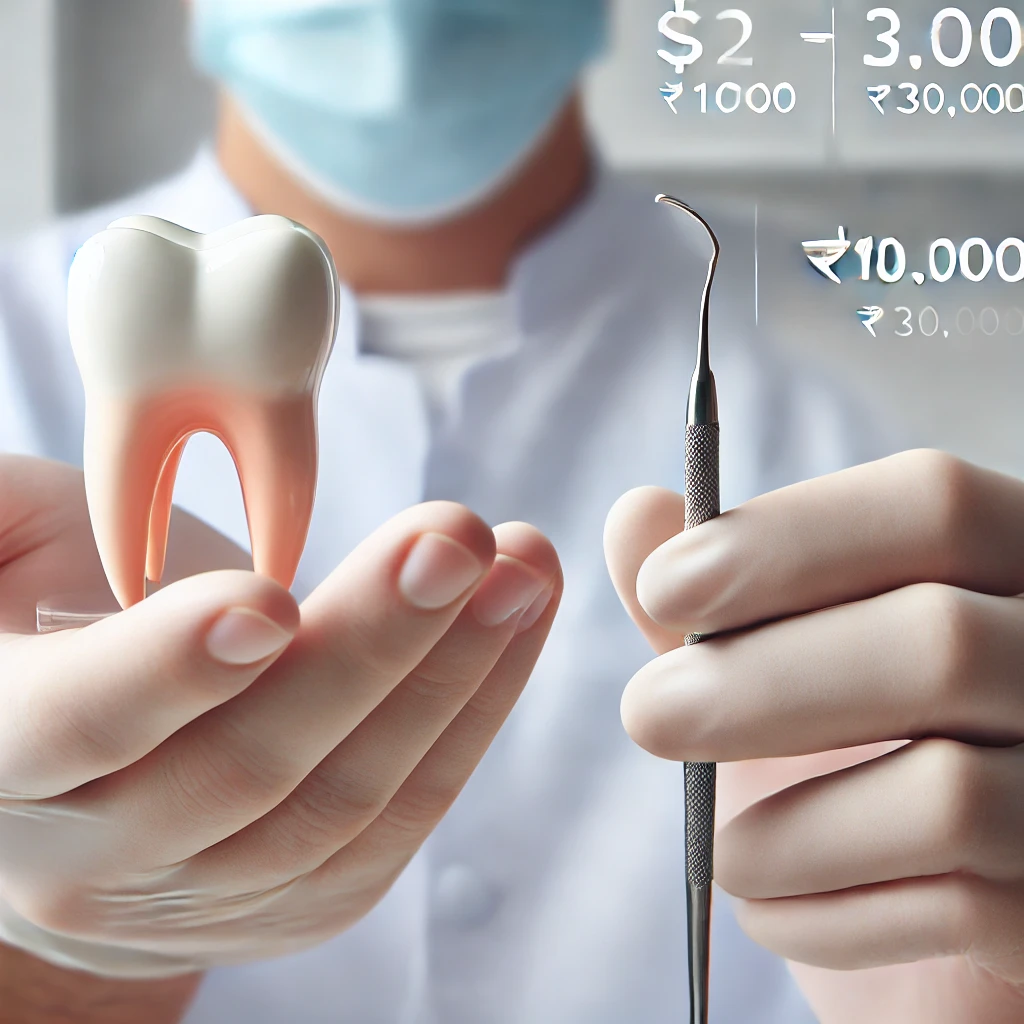
Tooth fillings in the Philippines also tend to be affordable ranging about 2000 Pesos or less given that most of the dentists nowadays offer this type of composite restoration. Nonetheless, prices can differ based on the clinic, the knowledge of the dentist and the quality of the materials used, whereby composite fillings will have a range of 1,000P-4,000P, glass ionomer fillings at the same range and ceramic fillings would be 15,000P-30,000P per tooth.
Another influence on cost would be cavity size, clinic location, and other dental procedures such as root canal treatment ( 6,000 to 15,000) or dental crowns (25,000 to 35,000 ). Fillings correctly taken care of are capable of lasting as long as 10 years, and thus serve as a very long-lasting and cost-efficient method of dental treatment.
Benefits of Dental Fillings
Teeth pasta has many applications beyond its use to get rid of cavities, and dental materials and procedures in 2024 increase those advantages. Fillings stop the progress of decay, guard against serious dental problems such as abscesses, and reinforce tooth structure to allow ease of chewing and talking. They also enhance beauty with composite and ceramic material fusing into the existing natural teeth and fortifying the weakened areas and averting fractures. Fillings also relieve pain, aid in the teeth retaining natural shape, and ensuring good oral health by sealing the teeth where they prevent infections.
Aftercare for Dental Fillings
The correct aftercare of dental fillings involves a good oral hygiene, twice a day brush with fluoride-based toothpaste and gently floss every day and an antiseptic mouthwash to avoid bacteria accumulation. It is critical to control sensitivity and discomfort because it is possible that sensitivity to hot, cold, or pressure is long-term and over-the-counter pain medications may assist with the management of discomfort.
Eating regimens eat precaution, regimens Prevent further decay Protect the new filling Avoid hard, sticky and sugary foods, at least in the first 24 hours. Frequent dental examinations will ensure that the dental filling lasts long, and any recurrent or abnormal symptoms should be presented to a dentist at the earliest time possible.
Choosing the Right Filling for You
Primary factors to consider when choosing the appropriate dental filling in Primacare Dental will be the positioning of the cavity, its depth, and types of aesthetic choices and budget. Dentists perform a proper assessment, explain the possibilities, and pay attention to durability and aesthetics so that a patient could get the most appropriate filling. One can also find financial issues such as the insurance coverage and payment schemes, as well as personal recommendations concerning allergies or sensitivities. Being able to offer case studies and life experience, the patients will become more aware of the durability and performance of various filling materials.
Types of Teeth Pasta – Materials and Options
The Philippines dental fillings can vary according to the kind of material used each of which has its own special advantages and matches many types of dental needs. Amalgam fillings are long-lasting and cheaper but do not add beauty to a smile; they have a slightly different color to teeth whereas composite fillings closely resemble the teeth shade and may not be as long-lasting.
Ceramic fillings are more expensive and yet can provide an excellent aesthetics as well as stain resistance; glass ionomer fillings release fluoride to help ensure decay does not occur but are they are less durable. By 2024, future dentistry has provided more strength with composite materials and materials that are bioactive where they help to remineralize teeth providing extended longevity and improved treatment success.
Conclusion
Fillings on teeth, also known as teeth pasta in the Philippines, are a cheaper and invaluable option in restoring your damaged teeth. Patients are given options in favor of durability, aesthetics, and budget, as customized fillings can be made with a wide variety of material (amalgam, composite, ceramic, and glass ionomer).
Oral health and the preservation of fillings depend on proper fillings, timely repair, and professional check-up of teeth. With ongoing developments in dental materials into 2024, even more durable and bio-compatible dental materials further increase the efficacy and long-term utility of dental fillings. If you need info related How much does a golf ball weight
FAQS
How much does tooth filling cost in the philippines?
The cost of a tooth filling in the Philippines is usually between ₱1,000 and ₱4,000, depending on the type of filling and the clinic. Ceramic fillings can be more expensive, costing between ₱15,000 and ₱30,000 per tooth.
How much can a dentist charge for a filling?
A dentist may charge different prices for a filling based on the material used, the size of the cavity, and the clinic’s location. On average, composite and glass ionomer fillings range from ₱1,000 to ₱4,000, while ceramic fillings cost more.
What is the true cost of a dential filling?
The true cost of a dental filling depends on the material, the dentist’s expertise, and additional treatments if needed. Fillings can last many years, making them a cost-effective way to protect your teeth.
How much do you pay for tooth filling?
Patients usually pay between ₱1,000 and ₱4,000 for a standard tooth filling in the Philippines. The price may be higher for premium materials like ceramic, which can cost ₱15,000 or more per tooth.