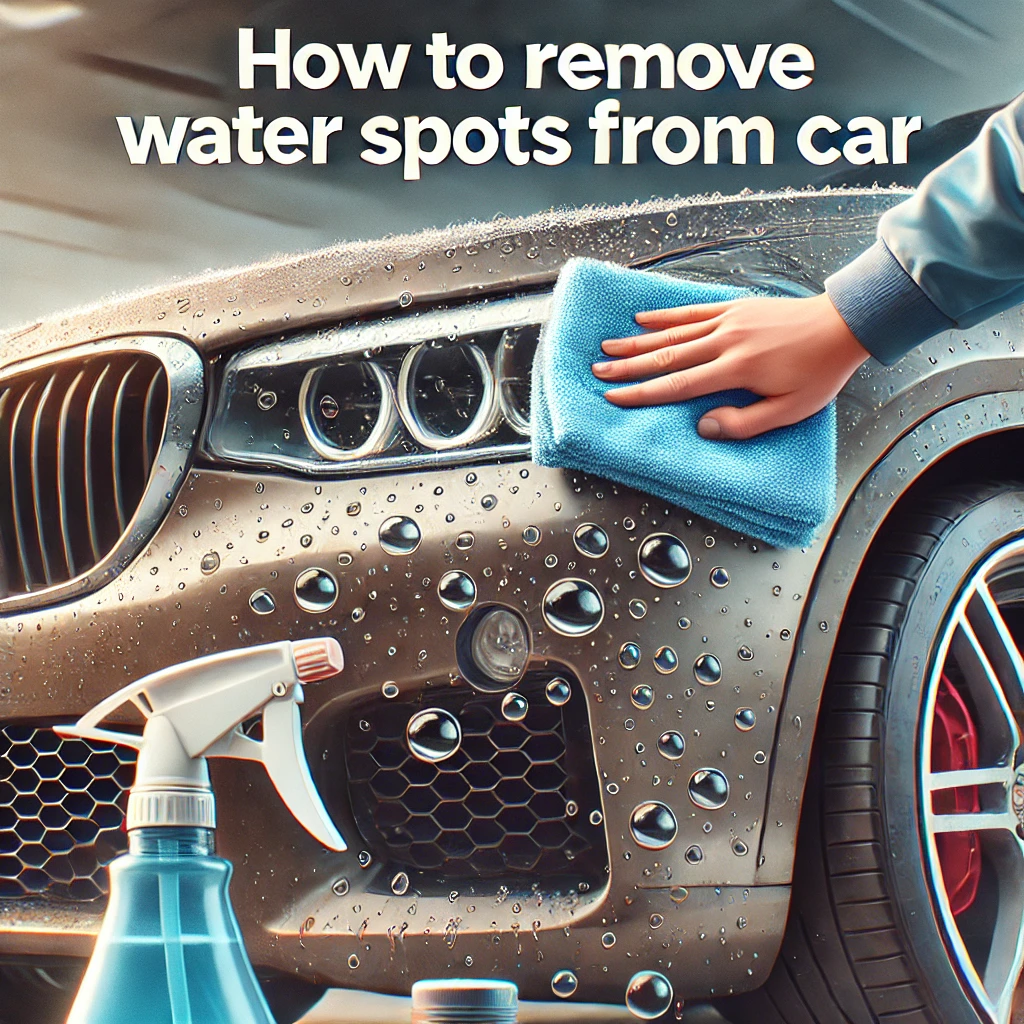
Despite the inconvenience of auto owners, the water marks may leave ugly stains on the surface of cars. Such stains result due to deposits of minerals in the water, which may end up etching into the paintwork in case the situation is not corrected in time. Water spots occur in two forms: mineral deposits (so-called hard water spots), and chemical etching.
The evaporation of water produces hard water spots that form crystal particles of minerals on the paint surface as well as there is chemical etching which develops stains on the paint as pollutants in rainwater or industrial pollutants attach themselves to the clear coating layers, leading to its damage with time. If you need more interested info like that visit quick guider.
Without prompt treatment, water spots may prove tenacious, and may need intense detailing procedures like wet sanding or even paint re-painting in severely damaged cases. They may derive on rain water, on irrigation systems or automatic washing cars, which leave stains on the body of the car as well as on the car windows. Other than just staining the car making it look bad, these stains can also affect visibility when they find their way on the windshields and windows. Such preventative precautionary steps as drying the car right after the wash, and using protective coating.
Understanding Water Spots and Their Causes
Exterior: Spotting is a common problem during exterior car detailing when water droplets that have evaporated leave behind a residue of mineral content like calcium and magnesium. In tap water, rain, and sprinkler system minerals gather on automobile paint and windows and form sticky stains, which are hard to get off.
Exposure to sun may hasten the process and the spots more noticeable and difficult to remove. To avoid water spots, it is important to dry a car after washing, use special cleaning liquids, and think about water hardness correctors to minimize occurrence of minerals.
How to Remove Water Spots from a Car
Water spots do not only make your vehicle look ugly, but it may also affect the resale value of your car. Research indicates that hard water stains transform an even high-priced car to appear uncared for, and that is why a proper maintenance routine is recommended.
Water spots to be removed: Begin by washing the car with shampoo and afterward apply a mixture of the white vinegar and distilled water using a microfiber cloth and rinsed and thoroughly dried. A business water spot remover or clay bar can be applied to persistent spots, whereas regular washing, waxing, and drying can help prevent spots on a vehicle.
How Water Spots Affect Your Car’s Finish
Spots caused by water may affect the outlook of your car so that the paint appears dull and lifeless. Without treatment, such hard-water mineral deposits will etch through the clear coat, and may even cause corrosion and permanent stains.
This can reduce the resale value of the car since a car with the evident spots of water might seem ill-treated. In order to avoid water spots as much as possible, frequent rinsing, drying of the car, after rinsing is important, and subsequent application of a protective wax cover or sealant remains an effective measure to preserve the brilliance of such a car and avoid deposits of minerals present in the water.
HOW TO GET RID OF WATER SPOTS ON CARS
Rainwater usually contains some contaminants that could damage your car, which in industrial areas, can result in etching unless cleaned off after a rainfall. To eliminate water spots on the car, scatter the car and dry it with a microfiber towel in order not to have new ones.
A vinegar mixture of half white vinegar and half distilled water may be effective in dissolving mineral deposits and a clay bar may be used to remove more serious stains. An extra layer of protection such as car wax or sealant will assist in repelling water and preventing future water spots, and keep your vehicle in perfect condition.
Conclusion
Water streaks are a common issue that plague the owners of cars, the appearance of vehicles and their paint conditions in the long run. Such discolourations are known as mineral deposits and may be contaminants such as dirt and grime which form a type of etching which in turn may cause corrosiveness and therefore dullness.
Water spots also require regular maintenance, like cleaning, drying, and applying some protective coatings (wax or sealant) to prevent and remove those. Drivers should assume their responsibilities and take proactive steps that allow them to maintain the shine of their vehicle and avoid negative effects on the car paint in the long term. If you need info related How long does cpr certification last.
FAQS
How do I get hard water spots off my car?
You can remove hard water spots by washing your car with shampoo and then using a mix of white vinegar and distilled water. Spray the solution on the spots, wipe with a microfiber cloth, rinse, and dry the car completely.
What is the best water spot remover for cars?
A mix of white vinegar and distilled water works well for light spots. For tougher stains, you can use a commercial water spot remover or a clay bar to clean the surface.
Are water spots permanent on car paint?
Water spots are not always permanent, but if left for too long, they can etch into the paint and cause lasting damage. Regular cleaning and protection, like waxing, can help prevent permanent marks.