
 If you’re preparing for wisdom teeth removal, you’re probably wondering what you’ll be able to eat during recovery. This is one of the most common questions patients ask their oral surgeon or dentist. The good news is that with the right post-surgery diet, you can heal quickly and comfortably while still enjoying nutritious and satisfying meals. If you need more interested info like that visit this page quick guider.
Proper nutrition plays a vital role in your healing process. Your body needs the right vitamins and nutrients to repair gum tissue and support bone healing. This guide will walk you through everything you need to know about what to eat after wisdom teeth removal, from the first day through complete recovery.
Whether you’re having one or all four third molars extracted, understanding the best foods after wisdom teeth extraction will help make your recovery as smooth as possible. Let’s explore the foods that promote healing, what to avoid, and how to maintain good oral health during this important recovery period.
Understanding Wisdom Teeth Removal and Recovery
Why Wisdom Teeth Need To Be Removed
Wisdom teeth, also called third molars, are the last teeth to develop in your mouth. They typically emerge between the ages of 17 to 25. Many people in these late teens and early twenties don’t have enough room in their mouths for these teeth to grow properly.
The American Association of Oral and Maxillofacial Surgeons (AAOMS) recommends wisdom teeth extraction when certain problems occur. An impacted wisdom tooth happens when the tooth can’t fully break through the gum. This can cause pain, infection, and damage to nearby teeth.
Your dentist or oral surgeon may recommend removal if you have:
Gum disease around the wisdom teeth that can’t be treated effectively. This happens when bacteria build up in hard-to-clean areas around partially emerged teeth.
Irreparable tooth decay that has damaged the tooth beyond repair. Third molars are difficult to clean, making them prone to cavities.
Cysts or tumors forming around the impacted tooth. These fluid-filled sacs can damage your jawbone and nerves if left untreated. If you want to read about What to Write in a Sympathy Card visit this page.
Damage to neighboring teeth caused by pressure from impacted wisdom teeth. The wisdom tooth can push against other molars, causing pain and alignment issues.
A dental X-ray will show your dentist exactly how your wisdom teeth are positioned. This imaging helps determine if extraction is necessary and how many teeth need removal.
What Happens Immediately After Wisdom Teeth Surgery
After your wisdom teeth removal, you’ll leave the dental office with wet gauze pressed against the extraction sites. This gauze helps control bleeding and encourages clot formation. The blood clot is essential for healing because it protects the empty socket and eventually transforms into new healing tissue.
Your mouth will feel numb for several hours after surgery because of the anesthetic agents used during the procedure. This numbness typically lasts two to four hours. During this time, you need to be extremely careful about what you eat and drink.
The recovery process begins immediately. Your body starts forming protective blood clots within the first few hours. These clots fill the holes where your teeth were and create a foundation for gum tissue to grow back.
Most patients experience some swelling and mild discomfort for the first few days. This is completely normal and part of the natural healing process. Following your oral surgeon’s instructions closely will help minimize these symptoms.
Understanding Dry Socket and Why Diet Matters
Dry socket is one of the most common complications after wisdom teeth extraction. According to the Mayo Clinic, this painful condition occurs when the blood clot becomes dislodged or dissolves before the wound has healed.
When you lose the protective blood clot, the bone and nerves beneath become exposed to air, food, and bacteria. This causes severe pain that typically starts two to three days after surgery. The pain can radiate to your ear and is often worse than the original post-surgical discomfort.
Your post-wisdom teeth removal diet directly impacts your risk of developing dry socket. Certain eating habits can disturb the healing tissue and dislodge the crucial blood clot. This is why your oral surgeon provides specific dietary guidelines.
Sucking motions create negative pressure in your mouth that can pull the blood clot out of the socket. This is why drinking through a straw is strictly prohibited during recovery. Even seemingly gentle sucking can be enough to cause problems.
Smoking is another major risk factor for dry socket. The sucking action combined with the chemicals in cigarettes significantly interferes with healing. If you smoke, it’s essential to stop for at least 72 hours after surgery.
Hard, crunchy foods and chewy foods can also physically dislodge the clot or get stuck in the stitched areas. Small particles from foods like popcorn can lodge in the empty sockets and cause infection.
The typical timeline for eating soft foods is four to seven days after surgery. However, some patients may need to follow a modified diet for up to two weeks, depending on their individual healing process.
Foods To Avoid After Wisdom Teeth Removal
Hot Foods and Beverages
While your mouth is still numb, you cannot feel temperature properly. This puts you at serious risk of burning your mouth without realizing it. Burns to already sensitive gum tissue can delay healing and cause unnecessary pain.
Hot drinks like coffee, tea, and hot chocolate should be avoided for at least the first 24 hours. Even when the numbness wears off, very hot beverages can increase bleeding by dilating blood vessels in your mouth.
Wait until your mouth has full sensation back before consuming anything warm. Even then, test the temperature carefully on your tongue before taking a full sip or bite. Lukewarm is always safer than hot during the early recovery process.
Hot foods like soup, oatmeal, or pasta should be cooled to room temperature or slightly warm. A good rule is that if the food feels hot to your finger, it’s too hot for your healing mouth.
The recommended waiting period is at least 24 hours before introducing any warm foods. By day two or three, lukewarm foods are generally safe if you’re careful about temperature.
Hard and Crunchy Foods
Hard foods and crunchy foods are among the most dangerous items during wisdom teeth recovery. These foods require significant chewing force and can easily damage the stitched areas or disturb the blood clot.
Chips, crackers, and hard pretzels create sharp edges when broken apart. These edges can scrape against tender gum tissue or even cut into the healing sockets. Even small pieces can cause significant discomfort and gum irritation.
Nuts and seeds pose a double threat. Not only are they hard and crunchy, but their small size means they can easily lodge in the extraction sites. Once trapped, these particles become sources of infection and can be very difficult to remove without professional help.
Raw vegetables like carrots, celery, and apples require too much biting force. The pressure from chewing these foods can reopen wounds or cause bleeding. Even healthy foods need to be avoided if they’re too hard.
Toast, crusty bread, and hard cookies should also stay off your menu. The rough texture can irritate healing areas, and crumbs can become stuck in sockets.
Most patients can start reintroducing slightly firmer foods around day seven, but crunchy foods should typically be avoided for at least two weeks. Your oral surgeon will give you specific guidance based on your individual healing.
Chewy and Sticky Foods
Chewy foods require extensive jaw movement that can strain the surgical sites. The repetitive chewing motion puts stress on the jaw joint and the healing sockets. This can cause pain, swelling, and even damage to any stitches.
Gum, caramel, and taffy are particularly problematic. Their sticky nature means they can pull on healing tissue or even remove the protective blood clot. Once these foods stick to the surgical area, they’re difficult to remove without causing damage.
Tough meats like steak, pork chops, or jerky require significant chewing effort. This prolonged chewing can irritate the extraction sites and cause jaw fatigue. The jaw muscles and joints need rest during the early recovery process.
Chewy bagels, thick bread, and pizza crust also fall into this category. Even if you can manage to chew them, the effort required isn’t worth the risk to your healing.
Sticky peanut butter can adhere to the roof of your mouth and extraction sites. While creamy peanut butter in small amounts may be acceptable later in recovery, chunky varieties should be avoided entirely.
Plan to avoid all chewy foods for at least one to two weeks after oral surgery. Your jaw needs time to recover from the trauma of extraction, and overworking it too soon can prolong discomfort.
Spicy and Acidic Foods
Spicy foods can cause significant discomfort when they come in contact with raw, healing gum tissue. Ingredients like hot peppers, hot sauce, and spicy seasonings contain compounds that irritate open wounds and cause burning sensations.
Beyond the immediate discomfort, spicy foods can trigger gum sensitivity that lasts for hours. This irritation can also lead to increased swelling and inflammation around the surgical sites.
Acidic foods pose similar problems. Citrus fruits like oranges, lemons, and grapefruits contain acids that can sting healing tissue. Tomatoes and tomato-based products like pasta sauce and salsa are also highly acidic.
Vinegar-based dressings and pickled foods should be avoided. The acid content can cause pain and may even interfere with the healing process by irritating the delicate new tissue forming in the sockets.
Some patients also experience stomach upset when eating spicy foods while taking pain medications. The combination can be harsh on your digestive system, adding to your overall discomfort.
Acidic beverages like orange juice, lemonade, and sports drinks should be limited or avoided. If you do consume them, rinse your mouth gently with plain water afterward.
Wait at least one week before introducing mildly spicy or acidic foods. Start with small amounts to test your tolerance, and stop immediately if you experience any stinging or discomfort.
Small, Sharp, or Seeded Foods
Popcorn is one of the worst offenders after wisdom teeth extraction. The kernels are hard and crunchy, but the real danger comes from the thin, sharp hulls. These hulls can easily wedge into extraction sites and cause severe irritation or infection.
Rice, quinoa, and couscous may seem soft, but their small grain size makes them problematic. These tiny particles can become lodged in the empty sockets where they’re difficult to remove. Once trapped, they can harbor bacteria and lead to complications.
Seeds from strawberries, raspberries, and seeded bread pose similar risks. Even though the fruit itself may be soft, those tiny seeds can find their way into healing areas and cause problems.
Sesame seeds on buns, poppy seeds in muffins, and chia seeds in smoothies should all be avoided. Any food with small, hard particles that could become trapped is off limits during the early recovery process.
Sharp foods like tortilla chips create pointed fragments when chewed. These sharp pieces can jab into tender gum tissue or scratch the stitched areas, causing pain and potential damage.
The risk with these foods extends beyond immediate discomfort. When particles become lodged in extraction sites, they can prevent proper healing and increase your risk of dry socket or infection.
Most oral surgeons recommend avoiding these foods for at least two weeks. Some patients may need to wait longer if their sockets are healing slowly or if they’ve had difficult extractions.
Alcoholic Beverages and Straws
Drinking through a straw creates powerful suction in your mouth. This negative pressure can easily dislodge the blood clot from the extraction site, leading to dry socket. Even a gentle sip through a straw is enough to cause problems.
The risk applies to all types of straws, including regular plastic straws, paper straws, and even reusable metal straws. The mechanism of damage is the same regardless of the straw material.
For beverages, drink directly from a cup or glass instead. Tilt your head slightly and let the liquid flow gently into your mouth without creating any sucking motions. You can also use a spoon for thicker drinks like smoothies.
Alcoholic beverages present multiple problems during wisdom teeth recovery. First, alcohol can interact dangerously with pain medications prescribed after oral surgery. This combination can cause excessive drowsiness, nausea, or more serious reactions.
Second, alcohol thins the blood, which can increase bleeding from the extraction sites. Your body needs to maintain proper clot formation, and alcohol interferes with this crucial process.
Third, alcohol dehydrates you. Proper hydration is essential for healing, and alcohol works against this need by pulling water from your body.
Beer and carbonated alcoholic drinks create additional problems. The carbonation can irritate healing tissue, and the act of drinking beer often involves some suction.
Plan to avoid all alcoholic beverages for at least 48 to 72 hours after surgery. If you’re still taking prescription pain medication, wait until you’ve finished the entire course before consuming any alcohol.
Best Foods To Eat After Wisdom Teeth Removal
 First 24 Hours: Cold and Smooth Foods
 First 24 Hours: Cold and Smooth Foods
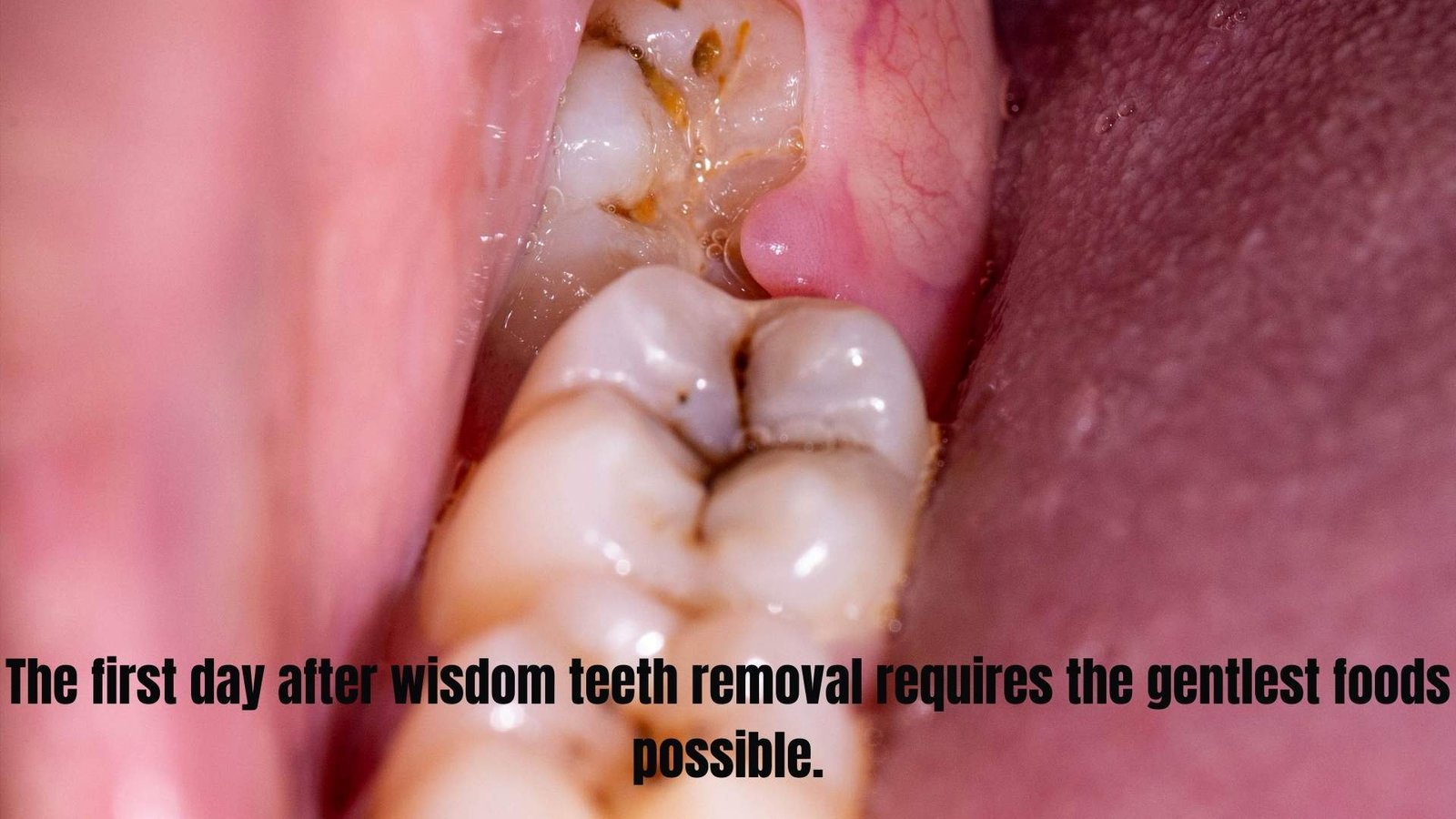
The first day after wisdom teeth removal requires the gentlest foods possible. Cold foods are ideal because they help reduce swelling while being soothing to your sore mouth.
Ice cream is a classic choice for good reason. The cold temperature numbs discomfort and the smooth texture requires no chewing. However, avoid varieties with nuts, cookie pieces, or candy chunks. Stick to plain flavors or those with smooth mix-ins. Sugar-free options are better for oral health, especially since you won’t be able to brush thoroughly right away.
Yogurt is one of the best foods after wisdom teeth extraction. It’s smooth, cold, and packed with protein to support healing. Greek yogurt contains even more protein, which is essential for tissue repair. Choose plain or lightly sweetened varieties without fruit chunks or granola toppings.
Pudding and Jell-O require no chewing and slide down easily. These provide calories and hydration when you might not feel like eating much. Make sure they’re well-chilled for maximum soothing effect.
Smooth applesauce is another excellent choice. It’s naturally sweet, requires no preparation, and provides some nutritional value. The smooth consistency won’t irritate your healing tissue.
Protein shakes and fruit smoothies provide substantial nutrition for recovery. Blend them until completely smooth with no chunks or seeds. Use seedless fruit like bananas, mangoes, or peaches. Add protein powder, yogurt, or milk for extra protein. Remember to drink these from a cup, never through a straw.
Cold soup, like chilled cream-based soups, can work if they’re completely smooth. Strain out any chunks of vegetables or meat. The cold temperature helps with swelling while providing vitamins and nutrients.
During this first 24 hours, eat small amounts every few hours rather than trying to consume full meals. Your jaw will be tired, and your appetite may be reduced due to pain medication. Focus on staying hydrated and getting enough calories to support healing.
Days 2-3: Soft and Lukewarm Foods
By day two, you can start introducing lukewarm foods as long as your mouth is no longer numb. The key is keeping everything very soft and easy-to-chew.
Mashed potatoes are perfect for this stage. Make them extra smooth by adding butter, milk, or gravy. The creamy texture feels good on sore gums, and potatoes provide filling calories and some potassium. Let them cool to lukewarm before eating. Instant mashed potatoes work just as well as homemade and require less effort to prepare.
Scrambled eggs cooked soft and moist provide excellent protein. Make them creamy by adding a splash of milk and cooking them on low heat. Avoid overcooking, as dry eggs can be difficult to swallow. Eggs are affordable, easy-to-swallow foods that support the healing process with quality protein.
Oatmeal becomes appropriate around day two or three, but it must be well-cooked and not too hot. Let it cool to lukewarm and add milk or water to make it soupy rather than thick. Avoid instant oatmeal with dried fruit pieces or nuts. Plain oatmeal provides fiber, which can be helpful if pain medications are causing constipation.
Cream of wheat is similar to oatmeal but has an even smoother texture. It’s gentle on healing mouths and easy to flavor with a bit of honey or cinnamon once you’re ready for mild seasonings.
Cottage cheese is a protein-rich option that’s naturally soft. The small curds are easy to manage, though some people prefer whipped or blended cottage cheese for an even smoother consistency. It provides calcium for bone healing along with substantial protein.
Soft tofu can be blended into smoothies or eaten on its own if mashed. Silken tofu has the smoothest texture. It’s flavorless, making it versatile for sweet or savory dishes. Tofu is an excellent protein source, especially for vegetarians recovering from oral surgery.
Avocados are soft, nutritious, and easy-to-chew foods. Mash them gently with a fork or blend them into smoothies. They provide healthy fats that support healing, along with vitamins and minerals. The creamy texture is soothing and they require minimal chewing.
Remember to eat slowly during these days. Take small bites and allow food to naturally move around your mouth rather than actively chewing near the extraction sites. Rinse gently with water after eating to keep the areas clean.
Days 4-7: Gradually Adding Texture
As you move into the second half of your first week, you can carefully introduce foods with slightly more texture. Listen to your body and don’t rush this progression.
Well-cooked pasta in small shapes like macaroni or shells becomes manageable around day four or five. Cook it until very soft, not al dente. Toss with butter, olive oil, or a smooth cream sauce. Avoid tomato-based sauces during this period as they can be acidic and irritating.
Soft fish like salmon, tilapia, or cod can be introduced if cooked until it flakes easily. Bake or poach the fish until very tender. The protein in fish supports tissue repair, and the omega-3 fatty acids in salmon have natural anti-inflammatory properties that may help reduce swelling.
Finely cut meats or ground meats cooked until very tender can work later in this period. Ground turkey or chicken cooked in broth stays moist and soft. Cut any meat into very small pieces and chew carefully away from the extraction sites. Tough or chewy cuts should still be avoided.
Soft-cooked vegetables without skins become appropriate around day five to seven. Steam vegetables like carrots, green beans, or zucchini until they’re very soft. Remove any tough skins. Mash them slightly if needed. Vegetables provide important vitamins and nutrients for healing that you may have been missing in earlier days.
Pancakes made thin and cut into small pieces are usually well-tolerated by this stage. Make sure they’re moist, not dry or fluffy. You can dip pieces in syrup to make them even softer. Avoid pancakes with nuts or chocolate chips.
Soft breads with crusts removed can be reintroduced carefully. White bread or soft wheat bread works better than dense whole grain varieties. Consider making the bread even softer by lightly toasting it and letting it cool, which makes it less likely to create crumbs.
Ripe bananas are excellent during this period. They’re naturally soft, require minimal chewing, and provide potassium and vitamin B6. Overripe bananas are even softer and sweeter than firm ones.
During days four through seven, you’re transitioning from a purely liquid and smooth diet to a soft foods diet. Take your time with this progression. If something causes pain or discomfort, go back to gentler options for another day or two. There’s no prize for advancing your diet quickly, and rushing can lead to complications.
Protein-Rich Options for Healing
Protein is the most important nutrient for healing after wisdom teeth extraction. Your body uses protein to build new gum tissue, repair damaged areas, and fight potential infection. Getting enough protein should be a priority throughout your recovery process.
Greek yogurt and regular yogurt are ideal protein sources during the early days when chewing is difficult. Greek yogurt contains nearly twice the protein of regular yogurt. A six-ounce serving typically provides 15-20 grams of protein. Choose plain varieties or those with limited added sugar to protect your oral health.
Cottage cheese is another dairy option rich in protein. One cup contains about 25 grams of protein along with calcium for bone healing. The soft texture makes it perfect for the entire wisdom teeth recovery period. If you find the texture unpleasant, blend it smooth or mix it with a bit of milk.
Protein shakes and smoothies allow you to pack significant protein into an easy-to-swallow form. Use protein powder, which typically contains 20-30 grams per scoop. Whey protein is absorbed quickly, while casein protein provides longer-lasting amino acids. Plant-based options like pea or soy protein work well for those avoiding dairy.
Soft scrambled eggs are an affordable, accessible protein source. Two large eggs provide about 12 grams of protein along with vitamins A and D. Make them multiple times per day during your recovery. Adding cheese increases both protein and calcium content.
Hummus, though not typically thought of as a protein powerhouse, contains about 8 grams per half cup. Made from chickpeas, it provides plant-based protein along with fiber and healthy fats. Hummus is smooth enough to eat from day one and can be thinned with olive oil or water for easier swallowing.
Protein powder can be mixed into many soft foods beyond shakes. Stir it into oatmeal, mashed potatoes, or pudding to boost protein content. Choose unflavored powder for savory dishes and vanilla or chocolate for sweet options.
Your daily protein goal during recovery should be at least 0.5-0.7 grams per pound of body weight. For a 150-pound person, this means 75-105 grams daily. This higher intake supports the increased demands of healing. Track your protein intake for the first few days to ensure you’re meeting this goal.
If you’re struggling to get enough protein from food alone, consider protein-fortified drinks or meal replacement shakes. These provide balanced nutrition when eating is difficult. Consult your dentist or oral surgeon if you have concerns about meeting your nutritional needs.
Nutrient-Dense Smoothie Recipes
Smoothies are perfect foods after wisdom teeth removal because they require no chewing and can be packed with vitamins and nutrients. Here are three recipes designed specifically for wisdom teeth recovery.
Berry Protein Smoothie
This smoothie provides protein for healing along with vitamin C from berries.
Ingredients:
- 1 cup frozen seedless strawberries (check that seeds are minimal)
- 1/2 cup blueberries
- 1 cup Greek yogurt
- 1 scoop vanilla protein powder
- 1 cup milk (dairy or plant-based)
- 1 tablespoon honey (optional)
Blend all ingredients until completely smooth. If the mixture is too thick, add more milk. The berries provide antioxidants that support healing, while the yogurt and protein powder deliver the protein your body needs for tissue repair.
Green Recovery Smoothie
This smoothie sneaks in vegetables for nutrients you might be missing.
Ingredients:
- 1 ripe banana
- 1 cup fresh spinach (it will blend smooth, don’t worry)
- 1/2 avocado
- 1 cup yogurt or cottage cheese
- 1/2 cup orange juice or milk
- 1 scoop protein powder (optional)
The banana provides natural sweetness that masks the spinach flavor. Spinach offers iron and vitamin K for blood clotting and healing. The avocado adds healthy fats and makes the smoothie creamy. This combination provides a well-rounded nutritional profile when you can’t eat a variety of foods.
Tropical Healing Smoothie
This smoothie feels indulgent while providing serious nutrition.
Ingredients:
- 1 cup frozen mango chunks
- 1/2 cup pineapple chunks (fresh or frozen)
- 1/2 banana
- 1 cup coconut milk or regular milk
- 1/2 cup Greek yogurt
- 1 tablespoon chia seeds (optional, blend very well)
Mango provides vitamins A and C for immune function and tissue repair. Pineapple contains bromelain, a natural enzyme that may help reduce swelling and inflammation. The coconut milk adds a rich, tropical flavor along with healthy fats.
Tips for Making Wisdom Teeth-Friendly Smoothies
Blend everything for at least one full minute to ensure there are no chunks or lumps. Small pieces can irritate extraction sites or become lodged in sockets.
Avoid adding ice cubes directly, as they create a chunky texture. Use frozen fruit instead for a cold, thick smoothie without chunks. If you need info related What Time Does Chick-fil-A Stop Selling Breakfast then visit this page.
Strain smoothies through a fine-mesh strainer if you’re concerned about any remaining seeds or bits. This extra step ensures absolute smoothness.
Avoid acidic fruits like citrus in the first few days, as they can sting healing tissue. Stick with neutral fruits like bananas, mangoes, and peaches initially.
Never drink smoothies through a straw. Pour them into a cup and sip slowly or use a spoon to consume them like a thick soup.
Make smoothies in batches and store them in the refrigerator for up to 24 hours. Having them ready makes it easier to maintain good nutrition when you’re tired or uncomfortable.
Add a handful of ice at the end and blend briefly if you want a colder smoothie without ice chunks. The cold temperature feels soothing on healing tissue.
Hydration: What To Drink After Wisdom Teeth Removal
Staying hydrated is crucial for the healing process after oral surgery. Proper hydration helps your body flush out anesthetic agents, reduces the risk of infection, and supports overall recovery.
Water should be your primary beverage throughout recovery. Room temperature water is safest during the first few hours when your mouth is still numb. Once sensation returns, you can enjoy cold water, which may feel soothing. Aim for at least 64 ounces daily, though you may need more depending on your size and activity level.
Sip water slowly rather than gulping. This gentle approach prevents disturbing the blood clot and helps you avoid swallowing air, which can cause bloating and discomfort when combined with pain medications.
Coconut water provides natural electrolytes that support hydration. It contains potassium, sodium, and magnesium that help maintain fluid balance. The slightly sweet taste makes it enjoyable when you’re tired of plain water. Choose varieties without added sugar.
Herbal teas offer variety and some teas provide benefits beyond hydration. Chamomile tea may help with relaxation and sleep, which supports healing. Ginger tea can settle an upset stomach from pain medications. Let all teas cool to room temperature or lukewarm before drinking. Avoid black or green teas initially as they contain tannins that may interfere with clot formation.
Bone broth is more food than drink, but its thin consistency makes it easy to consume. It provides protein, collagen, and minerals that support bone healing and tissue repair. Warm bone broth to lukewarm and sip slowly. The savory flavor offers a break from sweet drinks and provides substantial nutrition.
Fruit juices can provide vitamins and calories, but choose carefully. Avoid acidic juices like orange, grapefruit, and pineapple for the first few days. Apple juice, pear juice, and white grape juice are gentler options. Dilute juices with water to reduce sugar content and make them less concentrated.
Vegetable juices like carrot or beet juice provide nutrients without the acidity of citrus. These are particularly good if you’re struggling to eat vegetables in soft food form. Make sure they’re smooth with no pulp that could irritate extraction sites.
Milk provides calcium for bone healing along with protein and vitamin D. Whole milk or 2% milk contains more calories, which can be helpful if your food intake is limited. Both dairy milk and fortified plant-based milks work well.
Protein drinks and meal replacement shakes serve double duty as both hydration and nutrition. These can be particularly valuable if your appetite is poor or if eating causes significant discomfort.
How much should you drink daily? Aim for a minimum of eight 8-ounce glasses of fluids per day. More is better, especially if you’re taking pain medications that can cause dehydration or constipation. Your urine should be pale yellow. Darker urine indicates you need more fluids.
Set reminders on your phone to drink regularly. Pain and medication can make you forget to hydrate. Keep a water bottle within reach at all times. Track your fluid intake for the first few days to ensure you’re meeting your goals.
Weekly Meal Plan: What To Eat After Wisdom Teeth Removal
Day 1 Sample Menu
Day one requires the gentlest foods and the most careful eating. You’ll likely have little appetite due to anesthesia, medications, and discomfort.
Breakfast (2-3 hours after arriving home)
- 6 ounces vanilla Greek yogurt
- 4 ounces applesauce
- 8 ounces water
Wait until the numbness has completely worn off before eating. The yogurt provides protein and the applesauce offers easy calories. Eat slowly with a spoon, allowing food to rest on your tongue before swallowing.
Mid-Morning Snack
- Protein smoothie (recipe from earlier section)
- Sip slowly from a cup over 20-30 minutes
This provides significant protein and nutrients in an easy-to-consume form. The cold temperature helps with swelling.
Lunch
- 1 cup smooth, cold cream of potato soup
- 4-6 ounces cottage cheese
- 8 ounces coconut water
The soup provides comfort and calories. Cottage cheese adds more protein for healing. Coconut water replenishes electrolytes.
Afternoon Snack
- Small bowl of vanilla or chocolate pudding
- 8 ounces water
Keep snacks simple. The goal is maintaining calorie and fluid intake rather than nutrition at this point.
Dinner
- 1 cup mashed potatoes with butter (cooled to room temperature)
- 6 ounces yogurt
- 8 ounces milk
Mashed potatoes feel substantial and satisfying. Make them smooth and creamy. The yogurt continues your protein intake.
Evening Snack
- Small bowl of ice cream (without nuts or chunks)
- 8 ounces water
Ice cream before bed provides calories and the cold feels soothing. Drink water after to rinse your mouth gently.
Daily Totals: Approximately 1,200-1,500 calories, 60-75 grams protein, 64+ ounces fluids
Day 2-3 Sample Menu
By days two and three, you can introduce lukewarm foods and have a bit more variety.
Day 2 Breakfast
- Scrambled eggs (2 eggs, cooked soft with milk)
- Half cup oatmeal (lukewarm, thinned with milk)
- 8 ounces water
The eggs provide substantial protein. Oatmeal adds fiber and feels more like a regular breakfast.
Mid-Morning Snack
- Banana mashed with Greek yogurt
- 8 ounces herbal tea (cooled)
This combination is naturally sweet and creamy. The banana provides potassium and vitamin B6.
Lunch
- 1 cup lukewarm cream of mushroom soup
- 4 ounces cottage cheese
- Soft bread (crust removed, torn into small pieces)
- 8 ounces water
You can now have slightly more varied textures. The bread should be very soft and eaten slowly.
Afternoon Snack
- Green recovery smoothie (from earlier recipes)
- Handful of animal crackers soaked in milk until very soft
Animal crackers become soft when soaked and provide easy calories.
Dinner
- Mashed potatoes with gravy (lukewarm)
- Scrambled eggs with shredded cheese
- Applesauce
- 8 ounces milk
This meal provides good protein from eggs and cheese while remaining entirely soft.
Evening Snack
- Pudding cup
- 8 ounces water
Day 3 Variations: Add cream of wheat for breakfast, try mashed avocado at lunch, include well-cooked macaroni with butter for dinner.
Daily Totals: Approximately 1,500-1,800 calories, 75-90 grams protein, 64+ ounces fluids
Day 4-7 Sample Menu
During days four through seven, you can carefully add more texture and variety. Listen to your body and adjust based on your comfort level.
Day 4-5 Breakfast
- Oatmeal with mashed banana and a drizzle of honey
- Scrambled eggs with soft cheese
- 8 ounces milk
The banana sweetens the oatmeal naturally. You should be more comfortable chewing at this point.
Mid-Morning Snack
- Yogurt with protein powder stirred in
- Small soft pancake (cut into tiny pieces)
- 8 ounces water
Pancakes represent a step toward normal eating but should still be eaten carefully.
Lunch
- Well-cooked pasta with butter and Parmesan
- Soft fish (small portion, flaked)
- Soft-cooked carrots (mashed slightly)